research
Glia • Lipids • Neurodegeneration
how do lipids regulate glial function in health and disease?
The brain is one of the most lipid-rich organs in the body, with lipids comprising nearly half of its dry weight. Beyond forming cellular membranes and myelin, lipids regulate energy metabolism, inflammation, cellular signaling, and communication between cells. Yet despite their fundamental importance, we still know surprisingly little about how lipid metabolism shapes the function of cells in the nervous system.
Glial cells, including oligodendrocytes, microglia, and astrocytes, are central regulators of lipid biology in the brain. Oligodendrocytes generate the lipid-rich membranes that form myelin, astrocytes synthesize and distribute essential lipids, and microglia process and remodel lipids in response to changes in the brain environment.
We investigate how lipids shape glial cell identity, function, and communication, and how disruption of these processes contributes to neurodegenerative disease.
Oligodendrocytes: Myelin lipid homeostasis
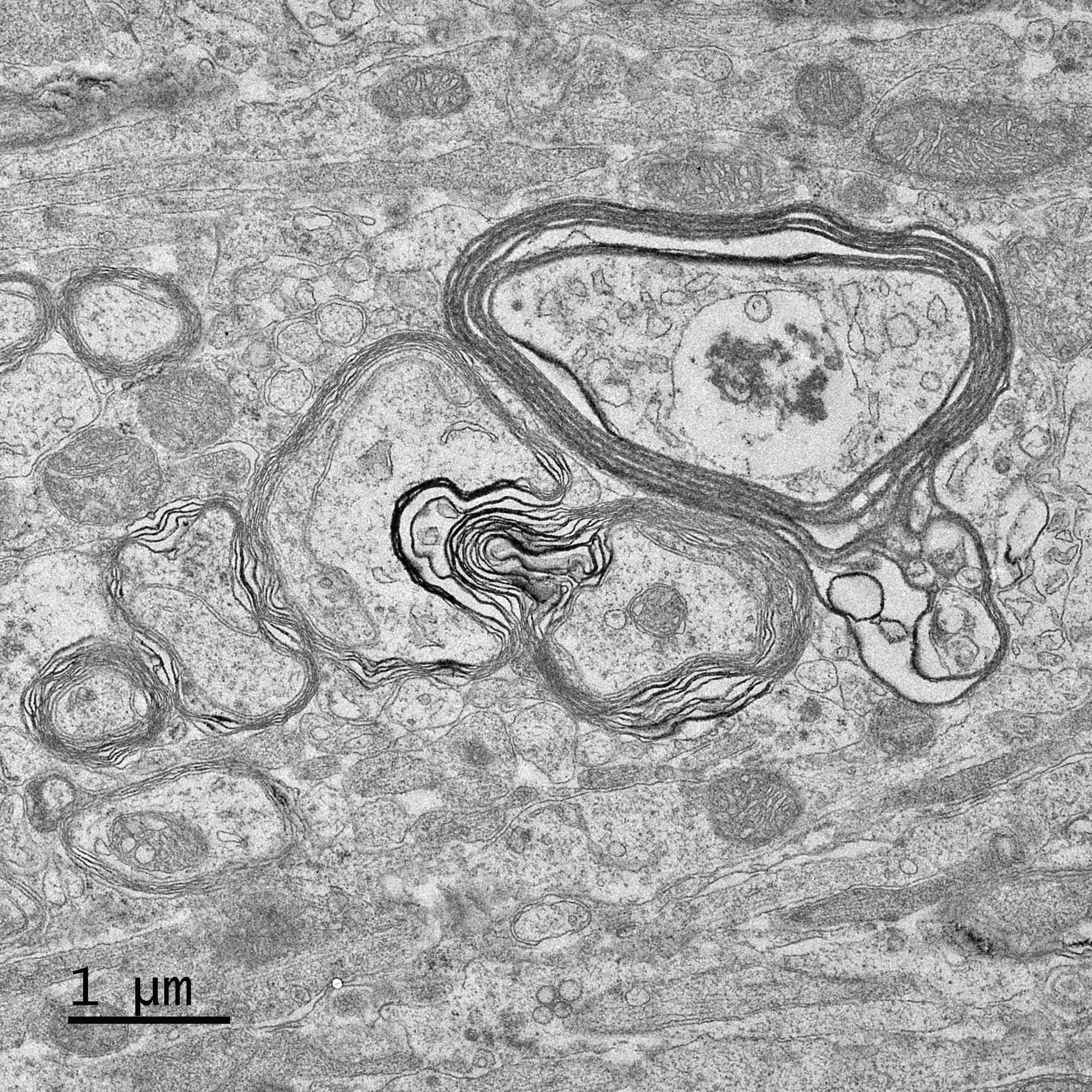
Myelin, a lipid-rich membrane produced by oligodendrocytes, insulates axons and enables rapid neuronal communication. We investigate how lipids regulate oligodendrocyte function and myelin integrity, and how disruption of these pathways contribute to white matter degeneration.
Image: Disruption of genes involved in lipid metabolism leads to myelin structural abnormalities, including uncompacted myelin and outfoldings, in X-linked dystonia-parkinsonism (bioRxiv, 2025).
Microglia: Lipid storage and immune function
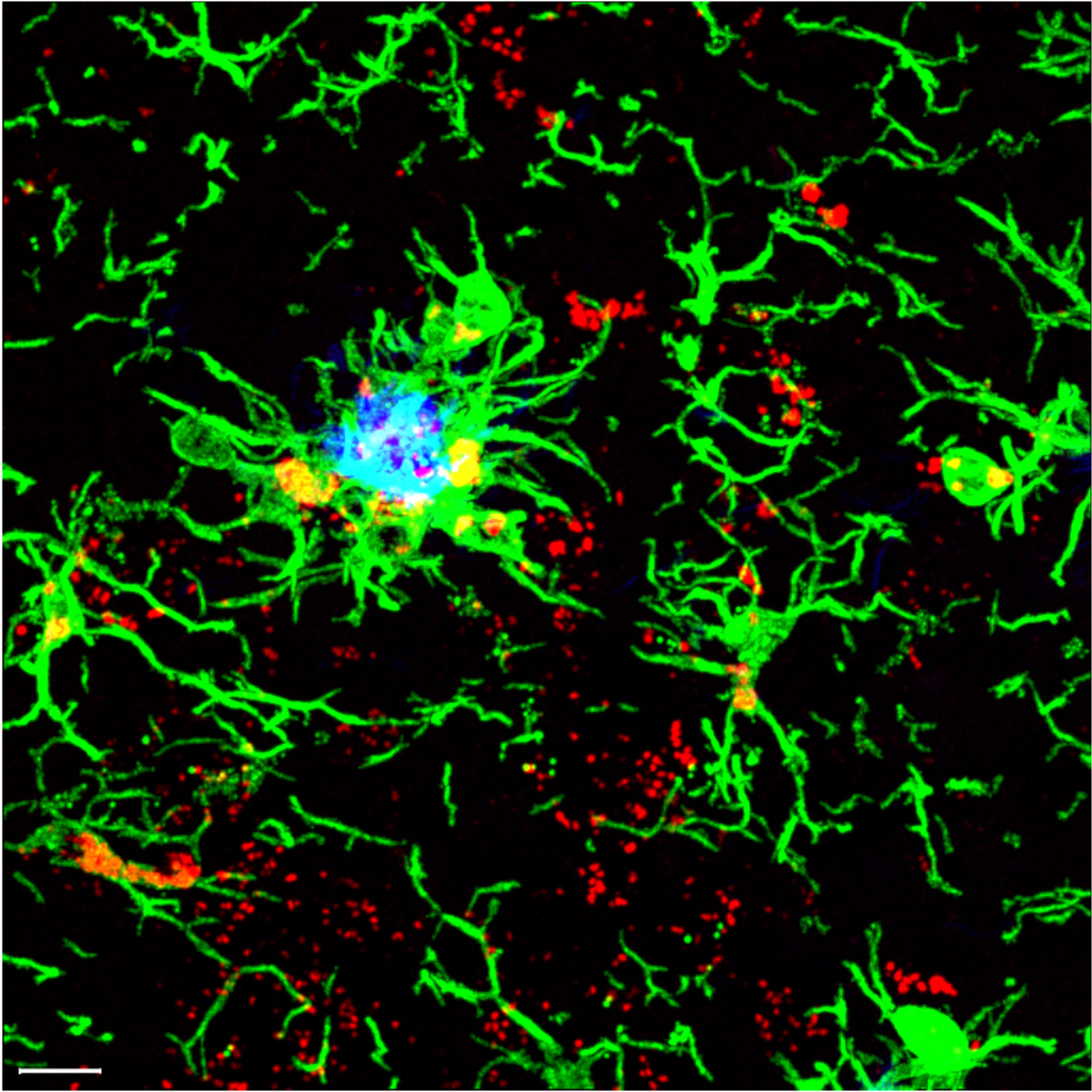
Microglia, the resident immune cells of the brain, clear damaged cells, protein aggregates, and lipid-rich debris. We investigate how the uptake, processing, and storage of lipids shape microglial immune function and how disrupted lipid metabolism contributes to neuroinflammation.
Image: Microglia surrounding amyloid-β plaques accumulate large lipid droplets that impair amyloid clearance and promote inflammatory dysfunction in Alzheimer's disease (Immunity, 2025).
Astrocytes: Lipid support and signaling
Astrocytes synthesize, store, and distribute lipids that are essential for neuronal and glial function. We investigate how changes in astrocyte lipid metabolism alter cellular signaling and communication, and how disease-associated lipid pathways contribute to neurotoxicity and neurodegeneration.
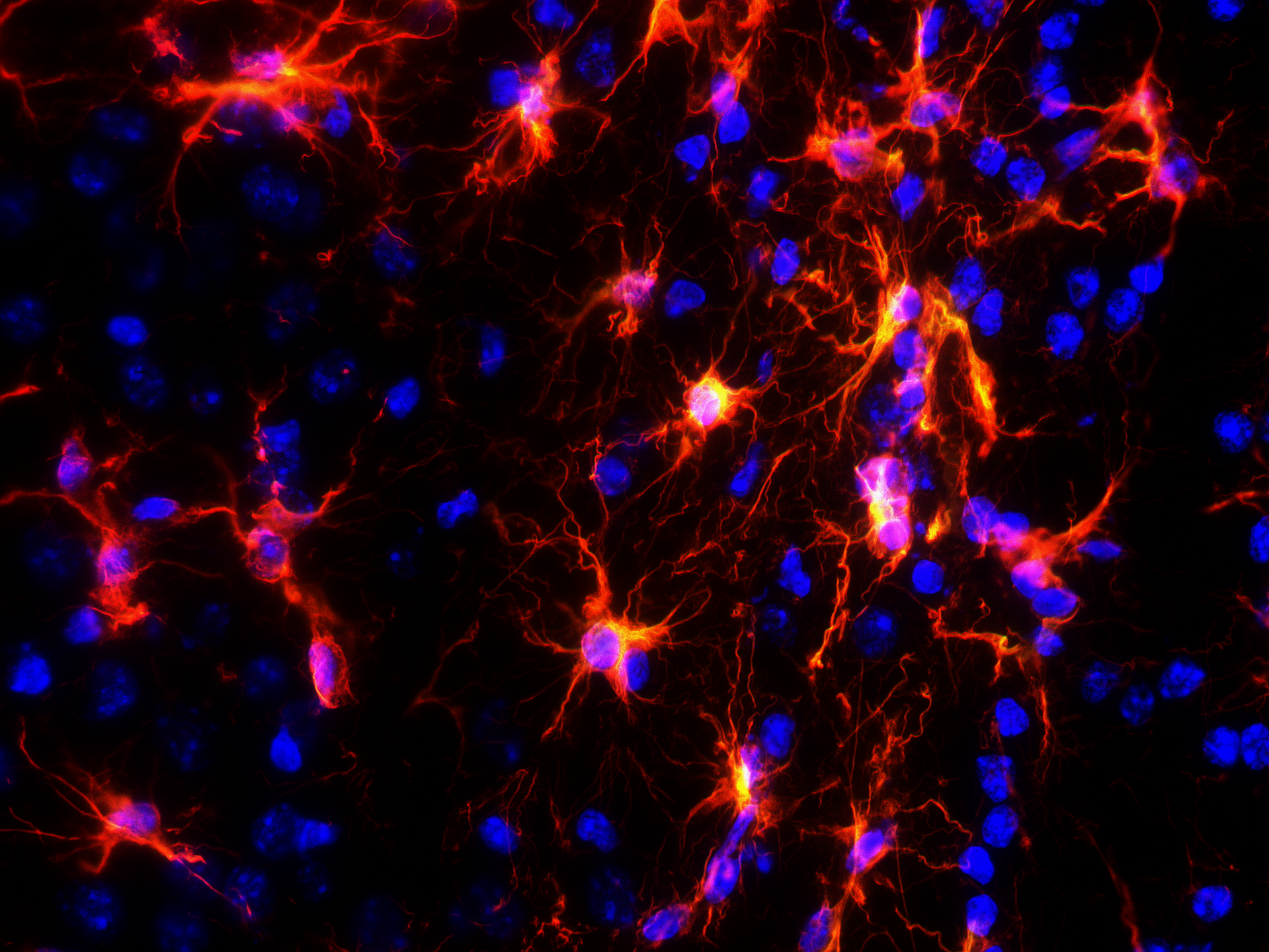
Image: Astrocytes in the Alzheimer's disease brain upregulate lipid metabolism enzymes, reflecting disease-associated alterations in lipid processing and signaling (Glia, 2023).
central questions
Our research is guided by several fundamental questions:
How do lipids regulate glial cell states and functions?
How are lipids synthesized, trafficked, sensed, and used for signaling within the brain?
How do lipids mediate glia-glia and glia-neuron communication?
How do metabolic and immune pathways intersect through lipid signaling?How does dysregulated glial lipid metabolism contribute to neurodegeneration?
Can restoring lipid homeostasis improve brain function and slow disease progression?
tools and techniques

cell & molecular biology
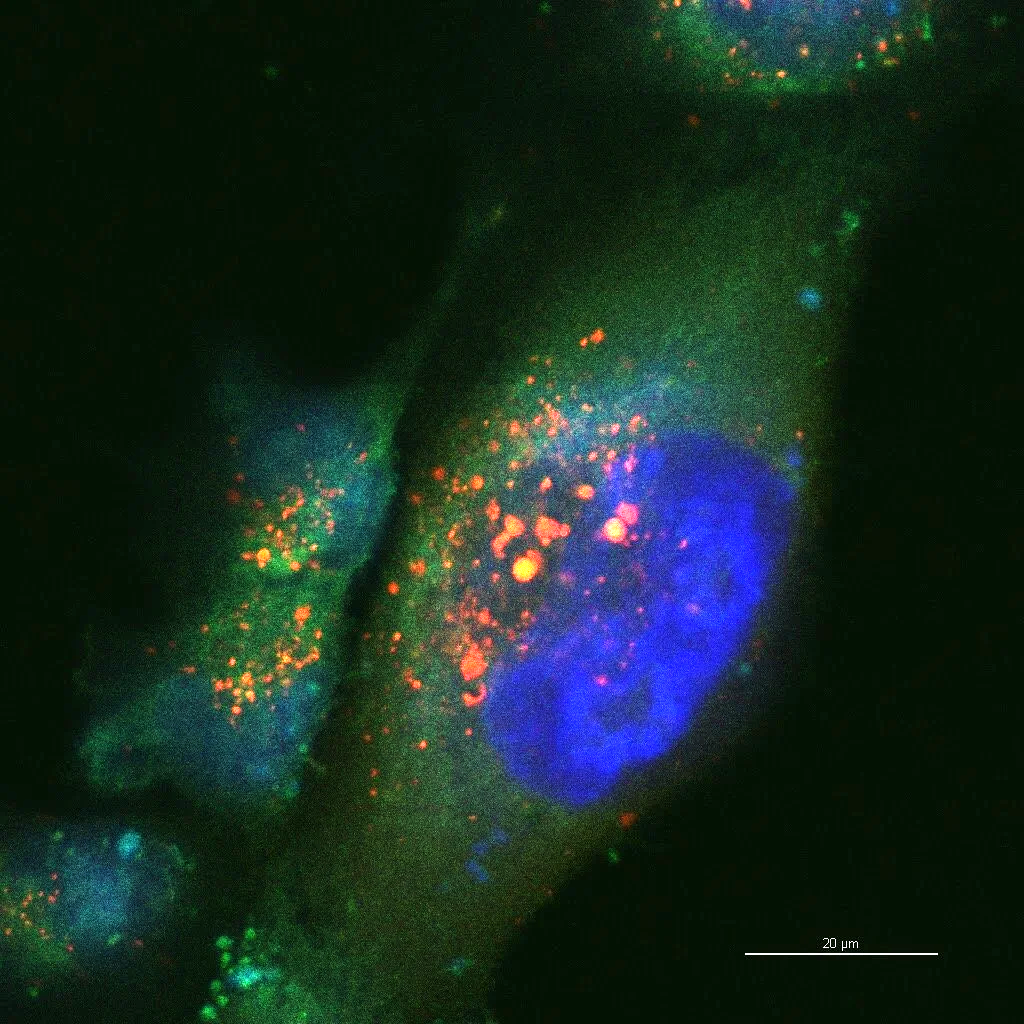
We use primary glial cultures and molecular approaches to uncover the mechanisms that regulate glial identity, function, and communication.
Image: Amyloid-β (red) within mouse microglia (green).
mouse models
We use genetically engineered mouse models to determine how glial lipid pathways influence brain function and neurodegeneration in vivo.
Image: A mouse on a CatWalk platform for gait analysis.
lipid biochemistry
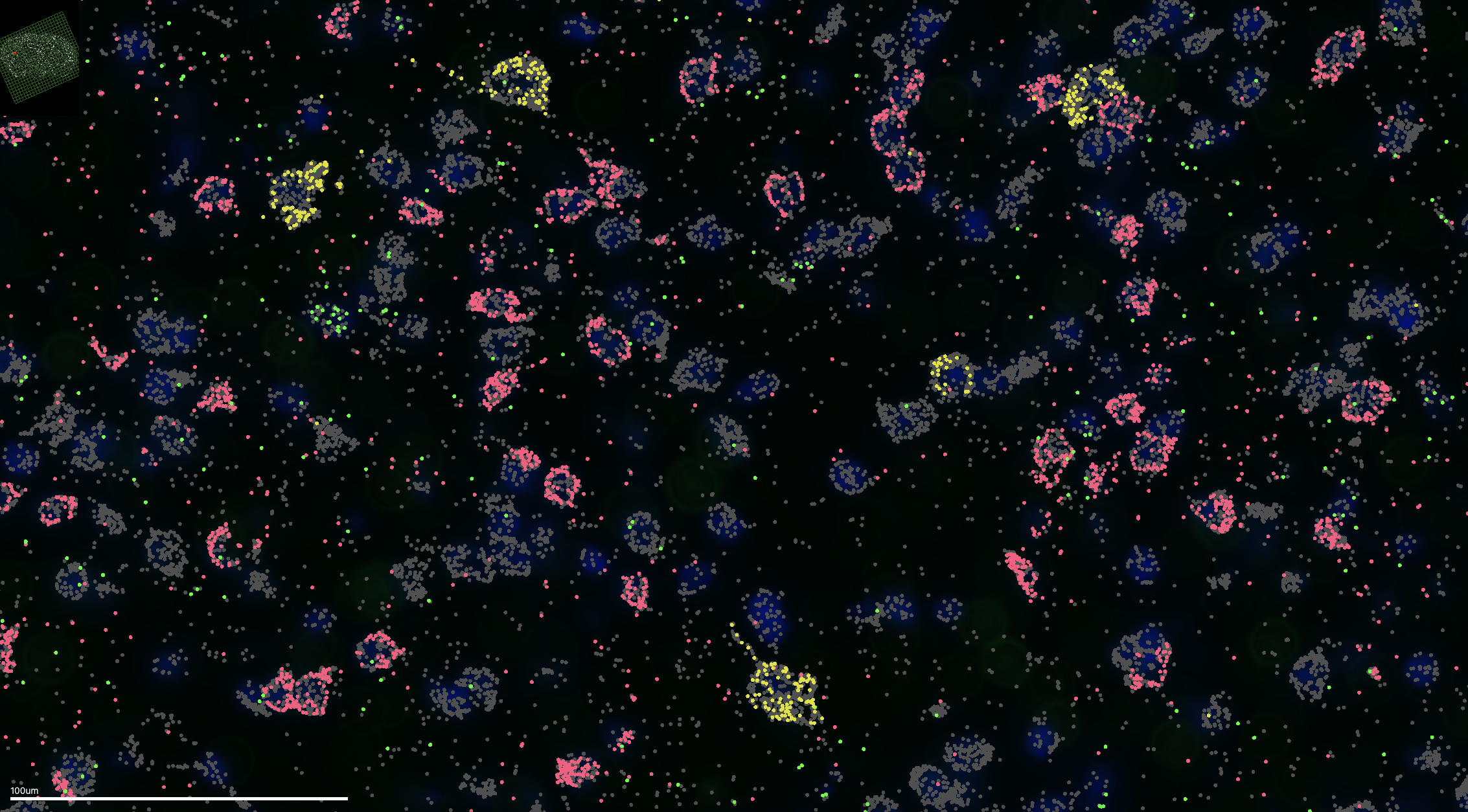
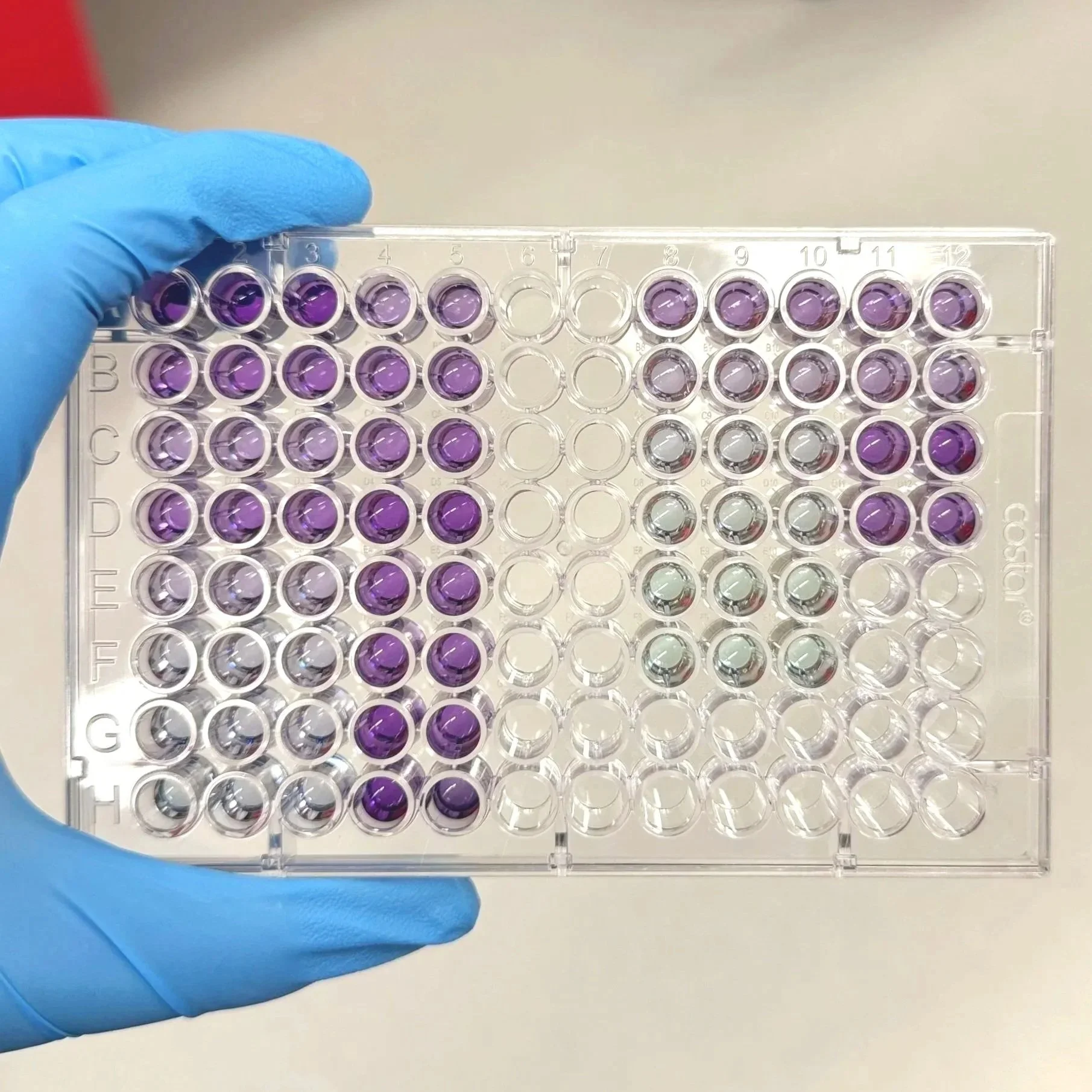
We combine lipidomics, spatial lipidomics, and biochemical approaches to define how lipids are synthesized, processed, and remodeled in the brain.
Image: Identifying lipid-synthesizing enzymes in glia.
human studies
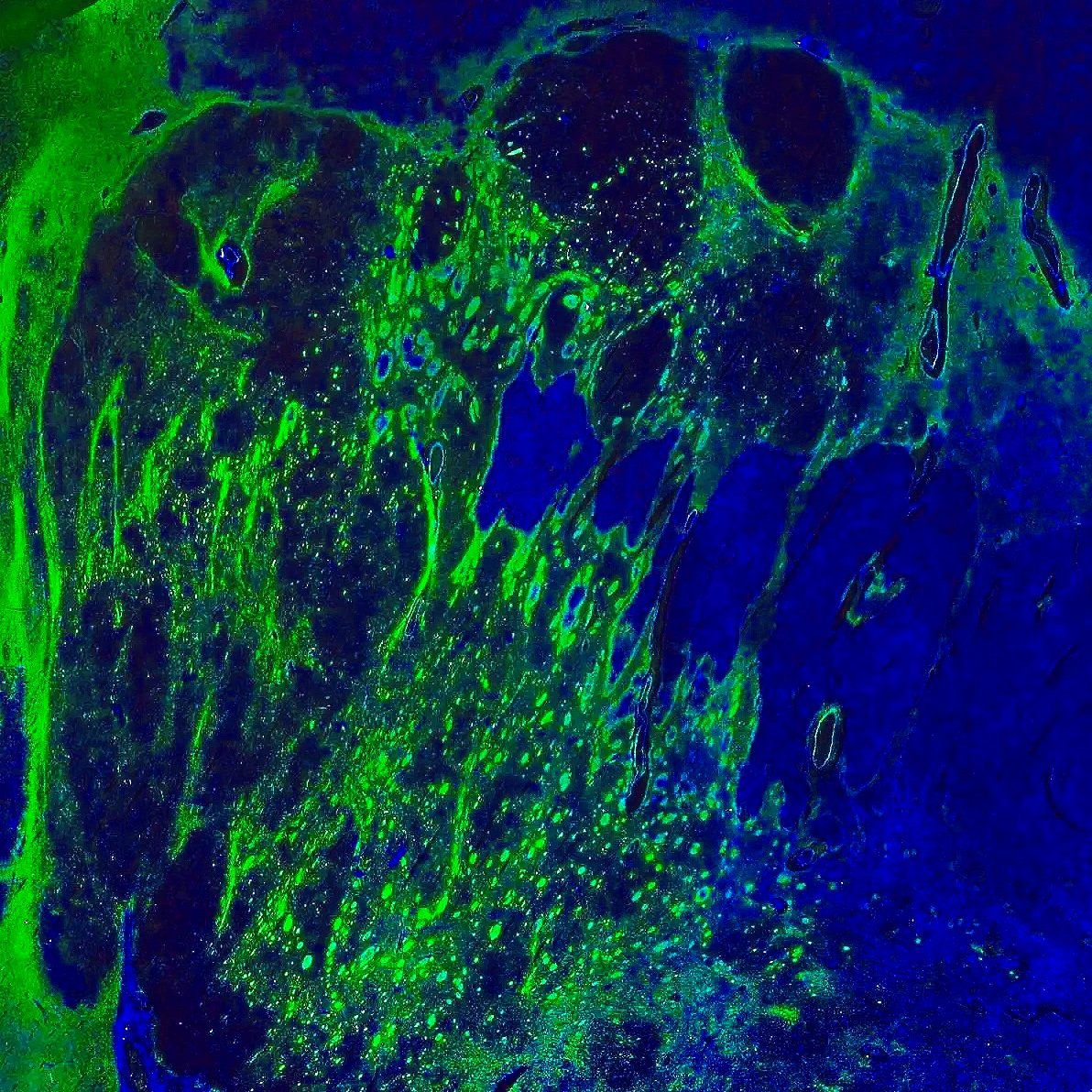
We integrate postmortem human tissue and multi-omics datasets to translate fundamental discoveries in glial biology to human disease.
Image: Myelin basic protein (green) in the human striatum.

support
We are grateful for the support of the organizations and institutions that make our research possible, including Alzheimer’s Association, Department of Pharmacological Sciences, and the Renaissance School of Medicine at Stony Brook University.